
Tick Season Is Here: How to Protect Your Family in Waterloo Region
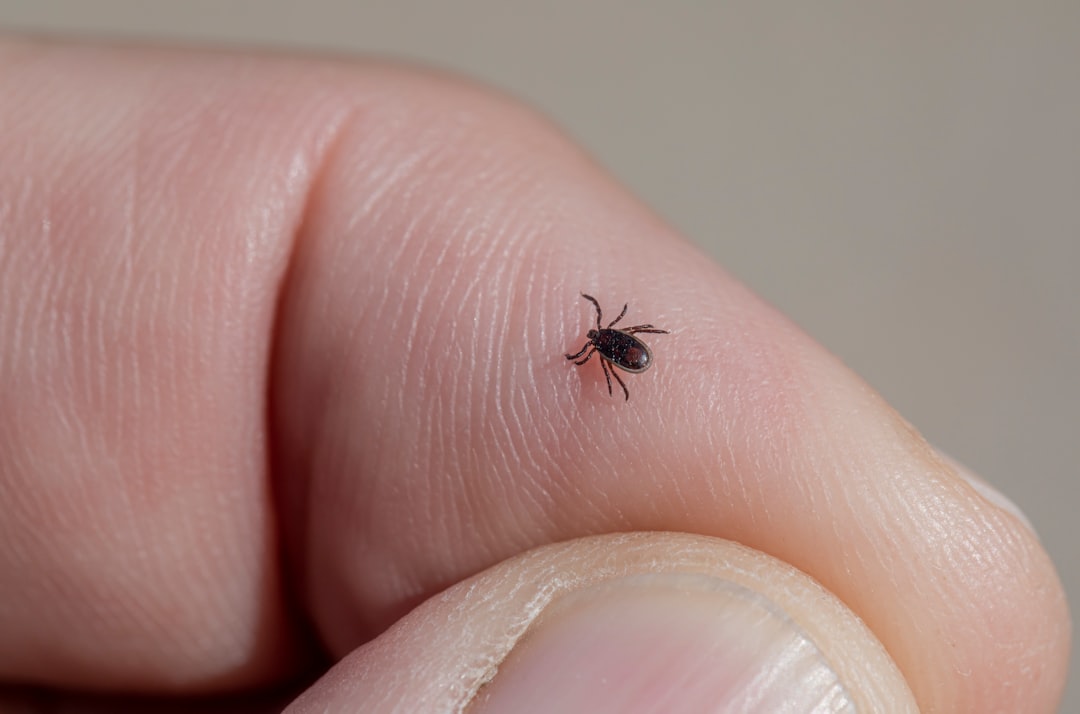
Tick season has arrived in Waterloo Region, and this year it deserves your attention. In mid-June, Region of Waterloo Public Health confirmed that blacklegged ticks found right here in our community tested positive for the bacteria that causes Lyme disease. Days later, the first human cases of Lyme disease were reported in the region. Across southern Ontario, officials are warning that tick populations have surged this summer.
None of this means you should stay indoors. Our trails, parks, and green spaces are some of the best things about living in Kitchener, Waterloo, and Cambridge. It simply means a few smart habits should become part of your summer routine.
Where Ticks Live
Ticks do not fly or jump. They wait on tall grass, shrubs, and leaf litter, and latch on as you brush past. In Waterloo Region, that means wooded trails, meadow edges, overgrown backyards, and the long grass beside paths. Anywhere you might walk the dog or let the kids roam is potential tick territory, especially from spring through fall.
Before You Head Out
A few minutes of preparation goes a long way:
• Stick to the centre of trails and avoid brushing against tall grass and shrubs.
• Wear light-coloured clothing so ticks are easier to spot, with long sleeves and pants when practical. Tucking pants into socks looks silly and works wonderfully.
• Use insect repellent containing DEET or Icaridin on exposed skin and clothing, following the label directions.
After You Come Home
This is the step that matters most. An infected blacklegged tick generally needs to be attached for at least 24 hours to transmit Lyme disease, so a same-day tick check is your best defence.
• Do a full-body check on yourself and your children. Pay close attention to the scalp, behind the ears, underarms, waistline, behind the knees, and between the toes.
• Check your pets. Dogs pick up ticks easily and can carry them into the house.
• Shower within a couple of hours of coming inside, and toss clothing in a hot dryer for ten minutes to kill any hitchhikers.
Found a Tick? Here Is What to Do
Do not panic, and do not reach for old folk remedies like matches or petroleum jelly. Remove it promptly and properly:
1. Use fine-pointed tweezers and grip the tick by the head, as close to your skin as possible.
2. Pull slowly and steadily. Do not twist.
3. Wash the bite area thoroughly with soap and water.
4. Keep the tick in a sealed bag or container.
Next, take a photo of the tick and submit it to eTick.ca. It is a free identification service, and results usually come back within 48 hours. Note that Region of Waterloo Public Health does not accept ticks for identification or testing, so eTick is the route to use.
If the tick is identified as a blacklegged tick, or cannot be identified, contact your health care provider, particularly if you begin feeling unwell.
Symptoms to Watch For
Lyme disease symptoms can appear anywhere from three days to a month after a bite. The classic sign is a circular “bull’s eye” rash around the bite, but not everyone gets one. Fever, chills, headache, fatigue, and muscle or joint aches are all reasons to see your doctor and mention the tick bite. Caught early, Lyme disease is treatable. Left alone, it can become far more serious.
Blacklegged ticks can also carry other illnesses, including anaplasmosis and babesiosis, which is one more reason prompt removal and a quick photo to eTick are worth the effort.
Enjoy the Outdoors Anyway
Waterloo Region summers are short and beautiful, and ticks are not a reason to miss them. Build the habit: repellent on the way out, tick check on the way in. Your family can enjoy every trail from Huron Natural Area to the Walter Bean Grand River Trail with confidence.
For the latest local information, visit regionofwaterloo.ca/Ticks.
Frequently asked questions
Are there Lyme disease cases in Waterloo Region?
Yes. Region of Waterloo Public Health reported the first confirmed human cases of Lyme disease in June 2026, shortly after blacklegged ticks in the region tested positive for the bacteria that causes it.
How long does a tick need to be attached to transmit Lyme disease?
An infected blacklegged tick generally needs to be attached for at least 24 hours to transmit Lyme disease, which is why a same-day tick check is so effective.
Where can I get a tick identified in Waterloo Region?
Submit a photo to eTick.ca, a free service that identifies ticks within about 48 hours. Region of Waterloo Public Health does not accept ticks for identification or testing.
What repellent works against ticks?
Health officials recommend insect repellents containing DEET or Icaridin, applied to exposed skin and clothing according to label directions.
What are the early symptoms of Lyme disease?
Symptoms can appear three days to one month after a bite and may include a circular bull’s eye rash, fever, chills, headache, fatigue, and muscle or joint aches. See your health care provider if you notice these after a tick bite.